Musubi: Curating unique Japan experiences for sophisticated travellers

INFORMATION

  • Beyond the “Magic” on Television — On the Craft of Wasai and Essential Tourism —


    Beyond the “Magic” on Television

    — On the Craft of Wasai and Essential Tourism —

    This evening, the TV program “Sekai! Nihon Iki Taihito Ouen Dan” features the world of wasai, the traditional Japanese sewing craft.

    The precision of hand craftsmanship — and the people who sustain it. Many viewers will likely see it not merely as a technique, but as a living culture.

    That wasai workshop exists in Koga, Ibaraki Prefecture — my hometown.


    A Meeting at the Koga East Rotary Club

    I met Takako Sato, the principal of Takumi Junior College, at the Koga East Rotary Club. She is a leading figure in wasai who has received commendation from the Imperial Household, and serves as a judge for traditional dress and wasai at the WorldSkills Competition.

    From our dialogue emerged a question: “How do we pass on the craft of wasai to people around the world?”

    That question became the beginning of our work in Koga.


    What Became Visible in Koga

    In Koga, centered on the wasai workshop, opportunities to encounter this culture gradually took shape through kimono-wearing experiences and workshop visits.

    What became clear was the difference between familiarization visits designed for tourism and the responses of those who actually came to Koga.

    These included:
    family travel from the United States,
    solo travel from Australia,
    inbound training programs for high school students,
    and partnership projects with the Koga Tourism Association on afternoon tea featuring peach blossoms.

    What stayed with actual visitors was something quite different from the content of the experience itself — the feeling of being welcomed into the ongoing life of the community.

    More than touching the technique of wasai, visitors felt natural gratitude toward the time and commitment of the people who have continued to maintain this craft and way of life.

    From those in the community who welcomed the visitors, we also began to hear, quite naturally, words expressing a hope for their return — “Please come again.”


    The Concept of Essential Tourism

    This is what I call “Essential Tourism”: tourism not as consumption, but as a mutual circulation of culture, judgment, and respect.

    Visitors gain learning and gratitude by being welcomed into the community’s culture.

    Local people gain pride and confirmation by welcoming those who seek to understand their culture.

    The value that emerges from this mutual relationship cannot be measured by price alone. It quietly accumulates in the hearts of both community members and visitors — in the forms of trust, return visits, and recommendations.

    This phenomenon arose from practice in one community, but I believe there is a structure common to many regions.


    On Accepting Cultural Heritage

    Cultural acceptance that carries educational and professional dimensions — such as wasai — differs fundamentally from ordinary tourism.

    Rather than being judged solely by numbers or scheduling, such acceptance requires thoughtful consideration of the environment and the burden on teachers and practitioners, and must be approached in ways that create no strain.

    Culture ceases to continue the moment the people who sustain it become exhausted.


    Sample Itinerary

    The following PDF illustrates how cultural context, time, and intention are integrated into a family visit itinerary. With images and detailed timing, it shows what an actual visit to wasai in Koga looked like for an American family.

    It demonstrates how we structure time for understanding, not consumption.

    📄 Sample Itinerary PDF (with Images): American Family Visit to Wasai — Koga

    No login required — viewable on any device.


    In Closing

    A culture sustained by human hands and time — like wasai — can be passed forward to the next generation or consumed and discarded, depending entirely on how we receive it.

    I am neither a researcher nor a critic. As a nationally certified interpreter guide and a regional DMC operator, I have stood in the field, facing people directly, making judgments, and coordinating solutions. Precisely because of this position, I speak these words with lived experience.

    Treasuring this place and these people, connecting quietly and sincerely with the world.

    I hope this way of relating will continue.

    This question was born in Koga, one community, but I believe it resonates quietly in many other places as well.


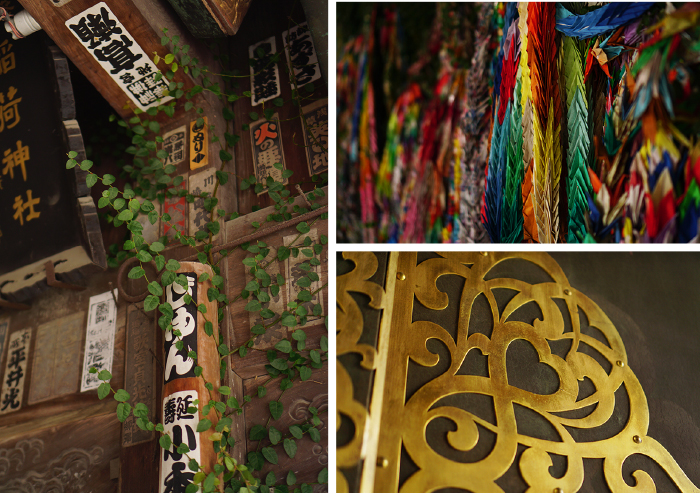
  • 笠間稲荷神社サイクリングツアー

    KASAMA – sample program01 –

    Kasama Inari shrine cycling tour
    笠間稲荷神社サイクリングツアー

    • Kasama Inari shrine cycling tour
    • Snack strolling tour & Kasama ceramic gallery tour
    • 笠間稲荷神社ご参拝
    • 笠間稲荷神社周辺食べ歩きと笠間焼ギャラリーツアー
    【Recommended group size】1 to 5 guests
    【推奨ツアー人数】1名〜5名程度
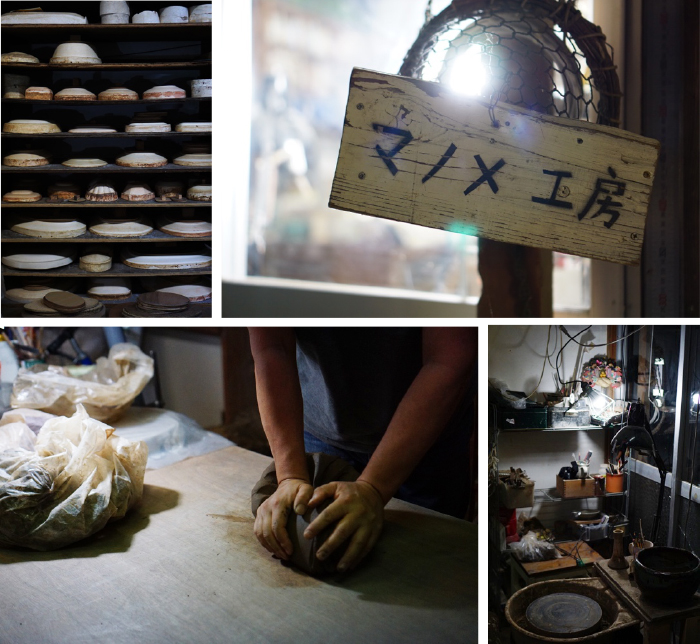
  • 栗林の先で星空の下の陶芸作家さん&笠間焼ツアー

    KASAMA – sample program02 –

    Kasama ceramic & artist after chestnut forest and under shining stars tour
    栗林の先で星空の下の陶芸作家さん&笠間焼ツアー

    • Kasama ceramic artist studio
    • Artist Rosanjin’s house and Japanese garden at Shunpu-Banri so
    • Crafthills Kasama & Ibaraki ceramic art museum
    • 栗林の先で星空の下の陶芸作家さんと工房見学
    • 春風萬里荘見学
    • 笠間工芸の丘と茨城県陶芸美術館
    【Recommended group size】1 to 5 guests
    【推奨ツアー人数】1名〜5名程度
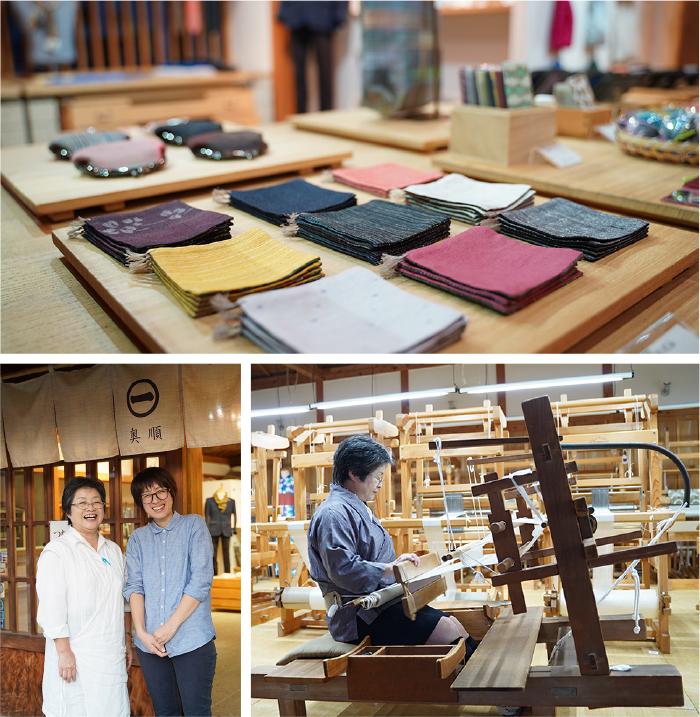
  • UNESCO文化遺産登録 結城紬ツアー

    YUKI – sample program –

    UNESCO as Intangible Cultural Heritage, Silk weaving technique tour
    UNESCO文化遺産登録 結城紬ツアー

    • Hand-weaving expereince
    • Yuki-tsumugi kimono dressing experience
    • Learning Yuki-tsumugi story
    • オリジナルコースター織作り
    • 結城つむぎ 試着体験
    • 職人さんから学ぶ、つむぎ織のこと
    【Recommended group size】1 to 5 guests
    【推奨ツアー人数】1名〜5名程度
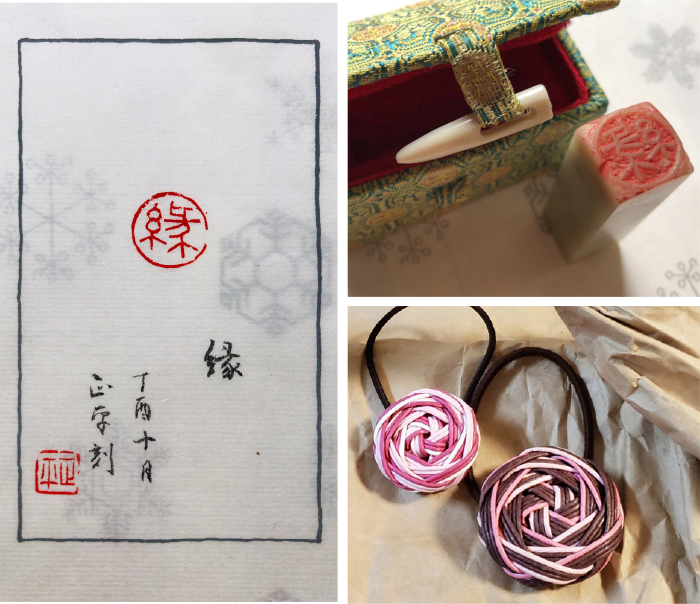
  • 江戸時代からの酒問屋、蔵の坂長と周辺ツアー

    KOGA – sample program02 –

    Kura Sakacho round tour
    江戸時代からの酒問屋、蔵の坂長と周辺ツアー

    • Bicycling food tour
    • Ramsar Watarase tour
    • Creator Chino’s hair accessary making with traditional rice paper bag handles
    • Japan’s only museum of calligraphy sealing art and Traditional seal making
    • サイクリング&食と食文化ツアー(酒、味噌、麹、猿島茶、和菓子)
    • ラムサール条約遊水地ツアー
    • クリエイターChinoと米袋の紙ひもヘアアクセサリー作り
    • 日本唯一の篆刻美術館とオリジナル篆刻のハンコ作り
    【Recommended group size】1 to 5 guests
    【推奨ツアー人数】1名〜5名程度
お問い合せ FaceBook Instagram