Musubi: Curating unique Japan experiences for sophisticated travellers

INFORMATION

  • Beyond the “Magic” on Television — On the Craft of Wasai and Essential Tourism —


    Beyond the “Magic” on Television

    — On the Craft of Wasai and Essential Tourism —

    This evening, the TV program “Sekai! Nihon Iki Taihito Ouen Dan” features the world of wasai, the traditional Japanese sewing craft.

    The precision of hand craftsmanship — and the people who sustain it. Many viewers will likely see it not merely as a technique, but as a living culture.

    That wasai workshop exists in Koga, Ibaraki Prefecture — my hometown.


    A Meeting at the Koga East Rotary Club

    I met Takako Sato, the principal of Takumi Junior College, at the Koga East Rotary Club. She is a leading figure in wasai who has received commendation from the Imperial Household, and serves as a judge for traditional dress and wasai at the WorldSkills Competition.

    From our dialogue emerged a question: “How do we pass on the craft of wasai to people around the world?”

    That question became the beginning of our work in Koga.


    What Became Visible in Koga

    In Koga, centered on the wasai workshop, opportunities to encounter this culture gradually took shape through kimono-wearing experiences and workshop visits.

    What became clear was the difference between familiarization visits designed for tourism and the responses of those who actually came to Koga.

    These included:
    family travel from the United States,
    solo travel from Australia,
    inbound training programs for high school students,
    and partnership projects with the Koga Tourism Association on afternoon tea featuring peach blossoms.

    What stayed with actual visitors was something quite different from the content of the experience itself — the feeling of being welcomed into the ongoing life of the community.

    More than touching the technique of wasai, visitors felt natural gratitude toward the time and commitment of the people who have continued to maintain this craft and way of life.

    From those in the community who welcomed the visitors, we also began to hear, quite naturally, words expressing a hope for their return — “Please come again.”


    The Concept of Essential Tourism

    This is what I call “Essential Tourism”: tourism not as consumption, but as a mutual circulation of culture, judgment, and respect.

    Visitors gain learning and gratitude by being welcomed into the community’s culture.

    Local people gain pride and confirmation by welcoming those who seek to understand their culture.

    The value that emerges from this mutual relationship cannot be measured by price alone. It quietly accumulates in the hearts of both community members and visitors — in the forms of trust, return visits, and recommendations.

    This phenomenon arose from practice in one community, but I believe there is a structure common to many regions.


    On Accepting Cultural Heritage

    Cultural acceptance that carries educational and professional dimensions — such as wasai — differs fundamentally from ordinary tourism.

    Rather than being judged solely by numbers or scheduling, such acceptance requires thoughtful consideration of the environment and the burden on teachers and practitioners, and must be approached in ways that create no strain.

    Culture ceases to continue the moment the people who sustain it become exhausted.


    Sample Itinerary

    The following PDF illustrates how cultural context, time, and intention are integrated into a family visit itinerary. With images and detailed timing, it shows what an actual visit to wasai in Koga looked like for an American family.

    It demonstrates how we structure time for understanding, not consumption.

    📄 Sample Itinerary PDF (with Images): American Family Visit to Wasai — Koga

    No login required — viewable on any device.


    In Closing

    A culture sustained by human hands and time — like wasai — can be passed forward to the next generation or consumed and discarded, depending entirely on how we receive it.

    I am neither a researcher nor a critic. As a nationally certified interpreter guide and a regional DMC operator, I have stood in the field, facing people directly, making judgments, and coordinating solutions. Precisely because of this position, I speak these words with lived experience.

    Treasuring this place and these people, connecting quietly and sincerely with the world.

    I hope this way of relating will continue.

    This question was born in Koga, one community, but I believe it resonates quietly in many other places as well.


  • テレビが映した“魔法”の向こう側へ ――和裁の現場から考える、本質観光という問い――


    テレビが映した”魔法”の向こう側へ

    ―和裁の現場と、本質観光についての、一つの問い―

    今夜放送された 世界!日本に行きたい人応援団 では、 日本の伝統裁縫技術「和裁」の世界が紹介されました。

    手仕事の精緻さと、それを支える人の姿。 多くの方が、単なる技術を超えた「生きた文化」として 受け取られたのではないでしょうか。

    その和裁の現場が、 私の出身地でもある茨城県古河市にあります。


    古河東ロータリークラブでの出会い

    古河東ロータリークラブで出会った匠短期大学校の佐藤孝子校長先生。皇室から表彰を受けた和裁の第一人者であり、技能五輪の着付けと和裁の審査委員長でもあります。

    校長先生との対話の中から、「世界の人たちに、和裁という文化を、どのように手渡すのか」という問いが生まれました。

    それが、古河での受け入れの始まりです。


    古河で見えてきたこと

    古河では、和裁の現場を中心に、 着付けや工房見学などを通して、 文化に触れる機会が少しずつ形になってきました。

    そこで見えたのは、 観光目的のモニター体験と、 実際に古河を訪れた人たちの反応の違いです。

    モニター体験では、 「何をしたか」が重視される傾向があります。

    アメリカからの家族旅行、
    オーストラリアからの一人旅、
    高校生によるインバウンド研修、
    そして 古河市観光協会 と連携して実施した 花桃アフタヌーンティーの取り組み。

    実際の訪問者たちが心に残したのは、体験の内容そのもの以上に、 地域の人たちの営みの中に 「迎え入れてもらえた」という感覚でした。

    和裁の技術に触れたこと以上に、 その技術や暮らしを守り続けてきた人の時間や姿勢に、 感謝が向けられていたのが印象的でした。

    迎える側の地域の人たちからも、 「また、いらっしゃい」という再訪を願う言葉が、 ごく自然に聞かれるようになりました。


    本質観光という考え方

    私たちがここで目指しているのは、 観光を単なる消費行為として捉えるのではなく、 文化・価値・判断が相互に行き交う関係性の場として捉えることです。

    訪れる人は、 地域文化の中に「入れてもらう」ことで、 学びと感謝を得る。

    地域の人は、 文化を理解しようとする人を迎えることで、 誇りと確認を得る。

    この相互の関係性の中で生まれる価値は、 価格だけでは測れないものです。 信頼、再訪、紹介といった形で、 地域と訪問者の心に静かに蓄積されていきます。

    この現象は、一つの地域での実践から見えたものですが、 多くの地域に共通する構造があると考えています。


    受け入れについて

    和裁のように、 教育性と専門性を伴う文化の受け入れは、 一般的な観光体験とは性質が異なります。

    人数や日程だけで判断するのではなく、 現場の環境や先生方の負担を考慮しながら、 無理のない形で検討されることが大切です。

    文化は、 人が疲弊した瞬間に続かなくなってしまうものだからです。


    サンプル旅程

    文化的な深さと相互敬意に基づいた旅がどのように構成されるかを、以下のPDFで具体的にご覧いただけます。

    画像を交えて、アメリカ人家族が古河の和裁現場で実際に過ごした時間の流れを示しています。

    📄 サンプル旅程PDF(画像付き):アメリカ人家族の和裁訪問 in 古河

    ログイン不要で、どなたでもご覧いただけます。


    おわりに

    和裁のように、 人の手と時間によって守られてきた文化は、 受け入れ方ひとつで、 次へ手渡されるものにも、 消費されてしまうものにもなります。私は研究者でも評論家でもなく、 全国通訳案内士として、地域DMCとして、現場で人と向き合い、判断し、調整してきた立場にあります。 だからこそ、この言葉を、実感をもって語っています。この場所と人を大切にしながら、 静かに、誠実に、世界とつながっていく。 そんな関わり方が、これからも続いていけばと思います。

    この問いは、古河という一つの地域で生まれましたが、 きっと、他の地域にも静かに重なるものだと思っています。


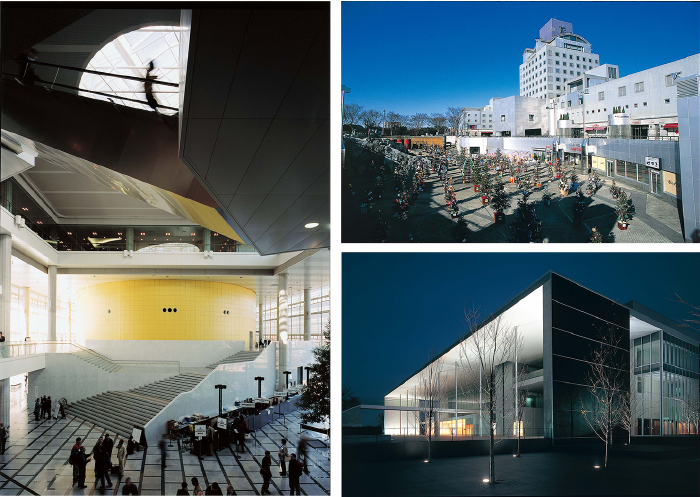
  • JAXA 宇宙センター&つくば学園都市建築ツアー

    TSUKUBA – sample program03 –

    JAXA Space Center & Tsukuba modern and old architectures tour
    JAXA 宇宙センター&つくば学園都市建築ツアー

    • JAXA space center & lunch at staff lunch room
    • Tsukuba modern architectures & Hojyo traditional architectures tour
    • JAXA宇宙センター見学と社員食堂ランチ
    • つくば学園都市現代建築と北条古民家ツアー
    【Recommended group size】1 to 8 guests
    【推奨ツアー人数】1名〜8名程度
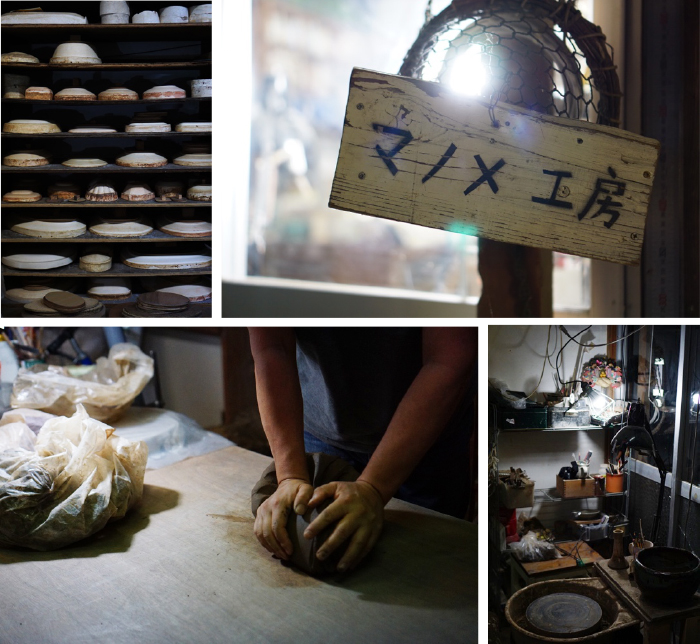
  • 栗林の先で星空の下の陶芸作家さん&笠間焼ツアー

    KASAMA – sample program02 –

    Kasama ceramic & artist after chestnut forest and under shining stars tour
    栗林の先で星空の下の陶芸作家さん&笠間焼ツアー

    • Kasama ceramic artist studio
    • Artist Rosanjin’s house and Japanese garden at Shunpu-Banri so
    • Crafthills Kasama & Ibaraki ceramic art museum
    • 栗林の先で星空の下の陶芸作家さんと工房見学
    • 春風萬里荘見学
    • 笠間工芸の丘と茨城県陶芸美術館
    【Recommended group size】1 to 5 guests
    【推奨ツアー人数】1名〜5名程度
お問い合せ FaceBook Instagram